
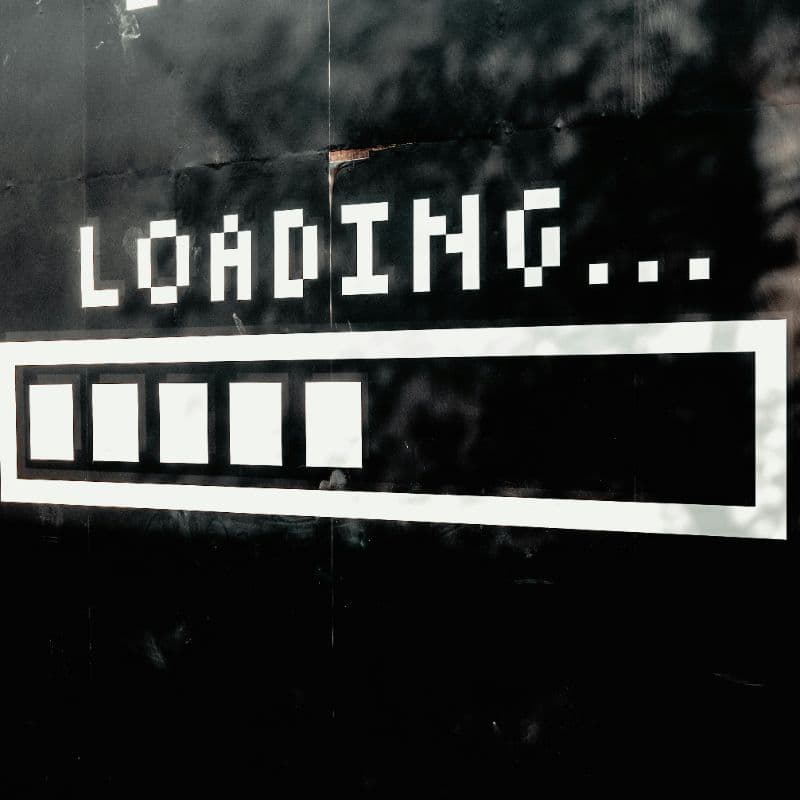
Usability in the AI era is no longer just measured in "clicks saved," but in anxiety reduction. When a user interacts with a generative model, they face constant uncertainty: Did it understand me? Is it working or has it crashed? Where did this answer come from? This is where micro-interactions stop being visual ornaments and become tools for transparency.
The End of the Generic Loading Spinner: A spinning circle isn't enough when AI is performing a complex task. We need Dynamic Skeleton Screens and status messages that reflect the reasoning progress (e.g., "Consulting technical database...", "Synthesizing response..."). System status visibility is the first step toward trust.
Haptic and Visual Feedback: In AI interfaces, every confirmation must be clear. If the AI executes an action via MCP (like updating a Jira ticket), the user needs an immediate sensory or visual response confirming that intent has been transformed into reality.
Anticipation and Control: The Interface that "Explains"
Technically, the challenge is managing LLM latency without breaking the experience. At Room 714, we implement Optimistic UI and Thought Streaming patterns. We don't wait for the model to finish before showing something; we let the user see how the solution is being built. Additionally, we integrate "explainability" micro-interactions: small tooltips or icons that, when hovered over, show the original source of the information (the RAG citation). This transforms a magical answer into a verifiable conclusion. Usability isn't about hiding complexity; it's about making it digestible so the user always feels they are in the driver's seat.
Differentiation: Humanizing Computation
At Room 714, we believe the most advanced technology should feel the most natural. We don't design cold interfaces; we design fluid dialogues. We obsess over the details: from scroll speed to the way a chat window expands. If the user trusts the tool, they will use it more; if they use it more, your Data Flywheel will spin faster. Good usability is the lubricant that allows the entire technical machinery to function.
Does your AI interface generate security for the user, or is it a black box that creates doubt every time it "thinks"?


